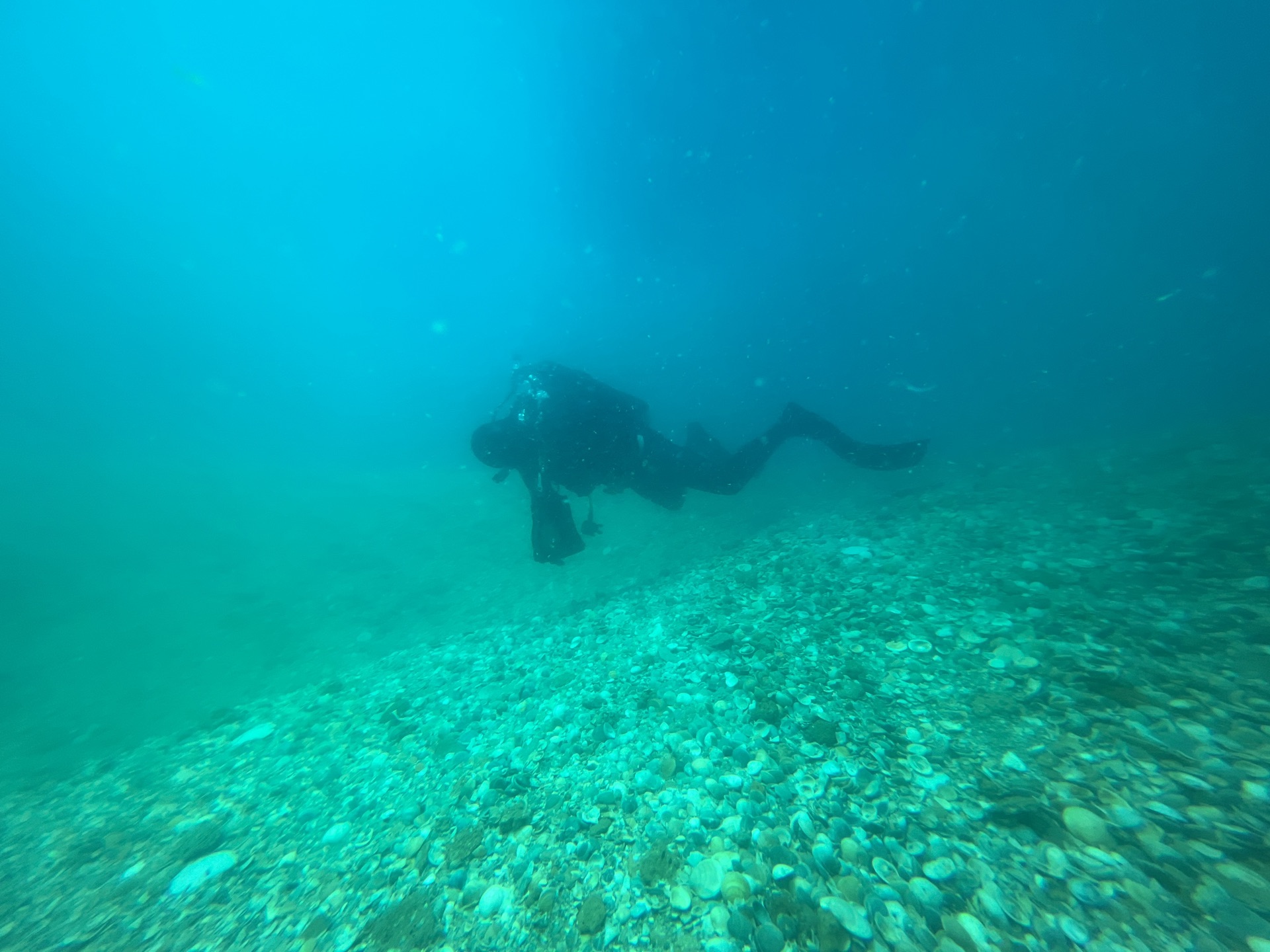
The Story of These Waters
The 1715 Treasure Fleet
Eleven ships, the wealth of an empire, and one July hurricane. The disaster that scattered treasure along Florida's east coast gave the Treasure Coast its name, and it is the reason our museum stands in Fort Pierce.
Part One · The Fleet
In the summer of 1715, Spain needed its treasure home.
War had drained the Spanish crown, and for years the silver of the New World had piled up in colonial ports waiting for safe passage. That July, two fleets sailed together from Havana: the New Spain flota under Captain-General Juan Esteban de Ubilla, carrying the silver of Mexico, and the Tierra Firme squadron under Don Antonio de Echeverz, carrying the gold of South America. Together they made a combined fleet of Spanish galleons plus one French ship, the Grifon, loaded with registered treasure worth millions of pesos, along with contraband riches that never appeared on any manifest.
They left Havana in late July, sailing north along the Bahama Channel, the maritime highway between Florida's east coast and the Bahama banks. It was late in the season, and every sailor aboard knew what late summer in those waters could bring.
Part Two · The Storm
On the last night of July, the wind began to rise.
In the early hours of July 31, 1715, a hurricane caught the fleet strung out along the Florida coast. One by one the ships were driven into the shallows and torn apart on the reefs, from roughly present-day Sebastian down past Fort Pierce. Of the treasure ships, none survived: only the Grifon, sailing a different course, escaped. Hundreds of sailors and passengers drowned. More than a thousand survivors crawled ashore onto a wild coast, building driftwood camps while officers salvaged what they could from the wreckage in the surf.
Spain mounted salvage operations for years, recovering a portion of the registered treasure from the shallows, and word of the wrecks drew privateers and freebooters from across the Caribbean. Then the sea moved its sand back over the rest, and the fleet slept.
Part Three · The Treasure Coast
For two and a half centuries, the fleet was a rumor.
Then, in the mid-twentieth century, treasure began washing up again. After storms, beachwalkers near Sebastian found blackened silver coins in the sand. A building contractor named Kip Wagner traced them to the sea, and the salvage company he formed with a small crew of divers, the Real Eight Company, began recovering silver and gold from the 1715 wrecks in the 1960s. The finds made national news, and Florida's east coast from Sebastian to Fort Pierce has been called the Treasure Coast ever since.
Generations of explorers have worked these wrecks in the decades since, from Mel Fisher's crews to the divers and researchers honored in our own museum: Carl Fismer, who salvaged on the 1715 fleet across his long career, and Jack Haskins, whose archival research in Seville helped modern explorers understand what was lost and where. To this day, after the right storm, the 1715 fleet still gives up coins to the beaches of the Treasure Coast. Much of what sank in 1715 has never been found.
A short account of events documented in Spanish colonial records and the published histories of the 1715 fleet and its modern salvors.
The Wreck Map
Where the fleet lies
The traditional wreck sites of the 1715 fleet, known by the names salvors have used for generations. Tap a site to read its story.
Select a site
Six wrecks, thirty miles of coast
The fleet was driven ashore along the stretch of coast that now runs from Sebastian Inlet to Fort Pierce. Each site carries the working name salvors gave it long before the ships were identified. Tap any mark to begin.
Locations are approximate and schematic, drawn from long-published accounts. The wreck sites are protected under Florida law; the Urca de Lima is a state Underwater Archaeological Preserve, open to divers as a protected park.
Why Fort Pierce
A museum where the story happened
The New Discoveries Museum is planned for Fort Pierce, and we are honing in on its home. The city sits at the center of the Treasure Coast, minutes from the beaches where the fleet came ashore, with a working waterfront, a historic downtown, and a community that has lived with this history for three centuries. Few places anywhere can put a museum this close to the story it tells. Fort Pierce is a gem, and the right place.
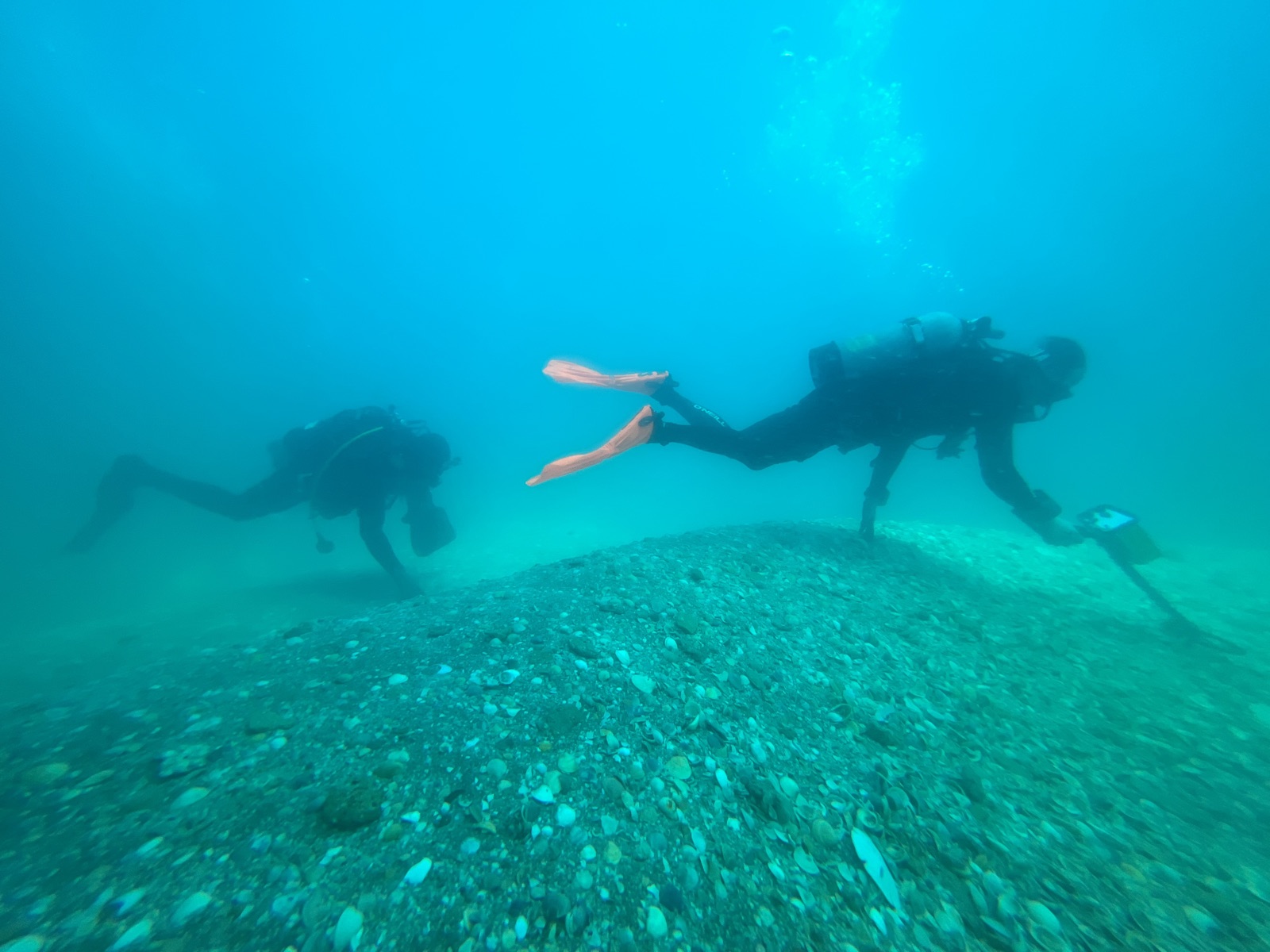
Through our partnership with Treasure Experience, exploration continues in Florida waters today, and what is recovered and conserved under our custody will be displayed here, where the public can see it.
The Dispatch
Field updates from the expeditions, the archive, and the museum build. No spam, no selling your data, unsubscribe anytime.
Keep the Story Alive
Three centuries later, the work continues
Help us recover, conserve, and display the history still waiting off this coast.