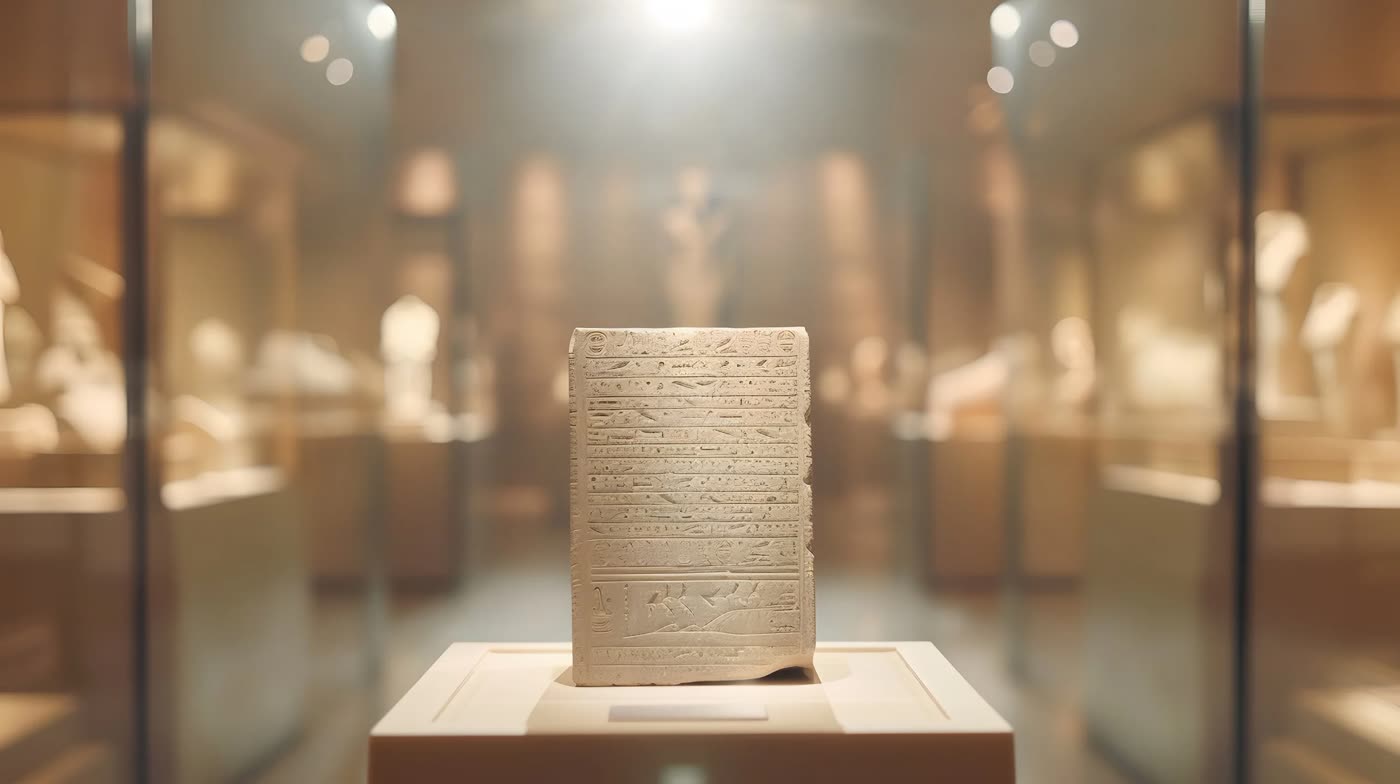
A Room in the Museum
The Haskins Collection
Before any treasure is found in the sea, it is found on paper. This collection preserves the research of Jack "Blackjack" Haskins, the archivist who taught a generation of explorers where to look.
The Researcher
History disappears twice: once in the sea, and once in the archives.
Jack Haskins understood this better than anyone of his generation. A diver and salvor himself, he realized the real map to the lost fleets was not on the seafloor but in Seville, Spain, in the Archivo General de las Indias, where the Spanish empire filed the paperwork of four centuries of sailing. So he taught himself Spanish, and then the archaic, handwritten Spanish of colonial scribes, a script that defeats even native speakers. Then he spent years in the archives, copying and translating documents on the Caribbean's lost ships: manifests, salvage reports, survivor accounts.
The results made him a legend. Haskins located the log of the Henry, the English salvage ship whose records helped pinpoint the fabled Concepcion off Hispaniola, and he was the first to bring up treasure from that site. He dove and salvaged on the 1715 and 1733 fleets, the San Josef, and more, and for decades he was consulted on virtually every serious shipwreck project in the Caribbean. Divers with fast boats and good sonar still came to Blackjack first, because the archive always knew more than the ocean would admit.
Among the divers who learned from him was Carl Fismer, whose room stands next to this collection in our museum and who co-authored the book Time Ranger about his friend's remarkable life. Together, the two rooms tell one story: the researcher points, the diver descends.
What We Preserve
The paper trail to the wrecks
New Discoveries is home to research from Haskins' working archive: more than 100,000 pages have been digitized and preserved for study, and the Haskins Corner of our museum's Captain Fizz Room is being designed to keep it alive as a working resource, not a locked drawer.
Documents & translations
Copies and translations of Spanish colonial records: the manifests, correspondence, and salvage reports that describe what the fleets carried and where they were lost.
Charts & working notes
The working material of a wreck researcher: charts, notes, and cross-references that turn scattered records into search areas a boat can actually run.
A living archive
Research in this tradition still guides exploration today, including the work of our partners at Treasure Experience on the 1715 fleet.
In the Museum
A working archive you can walk into
The Haskins Corner of the Captain Fizz Room is built like the study where discoveries begin: a chart table under a banker's lamp, shelves of references, and original-style documents under glass beside the archivist's spectacles. Walk it today in our 3D concept walkthrough.
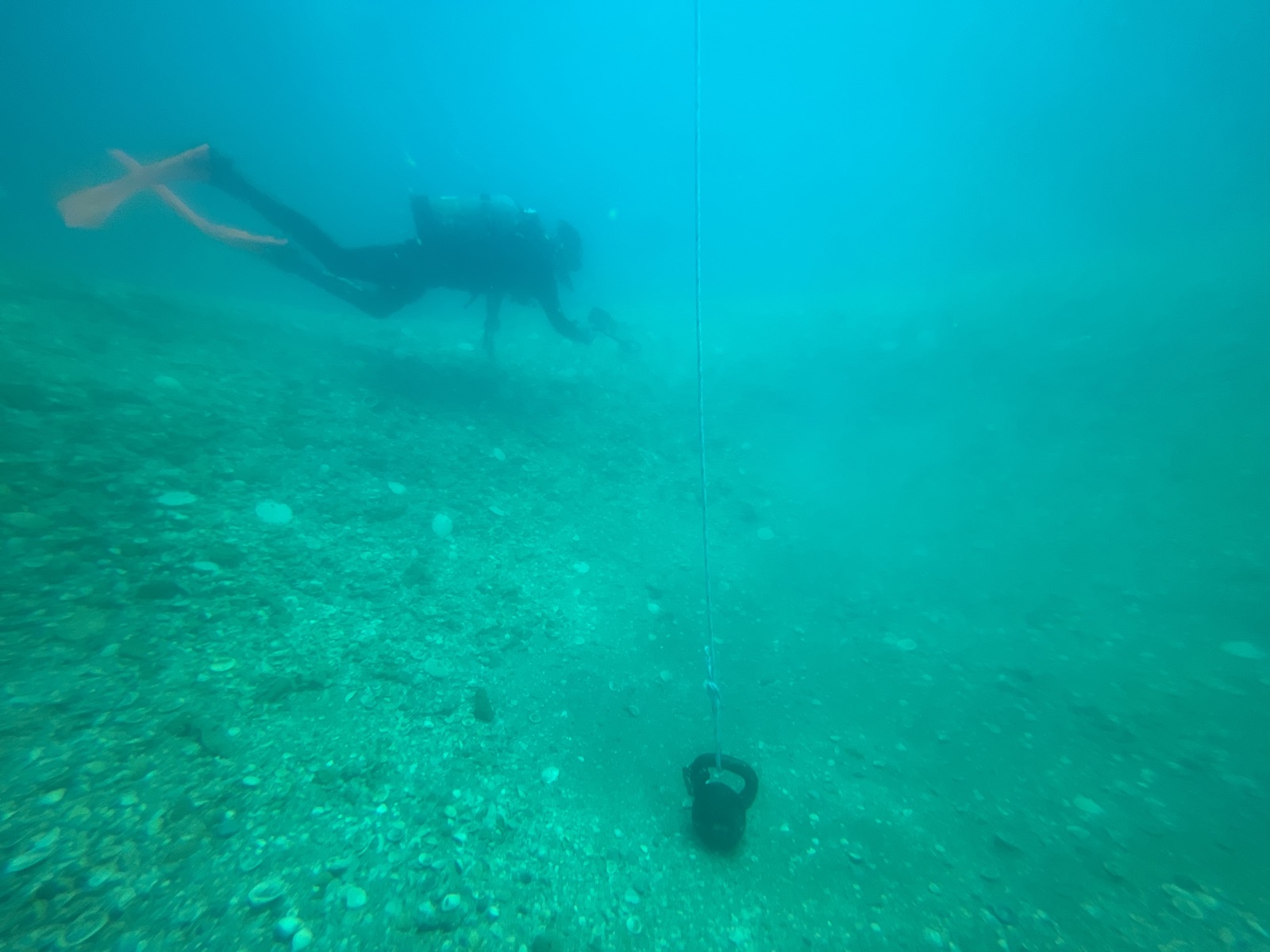
From the Archive
Read the documents
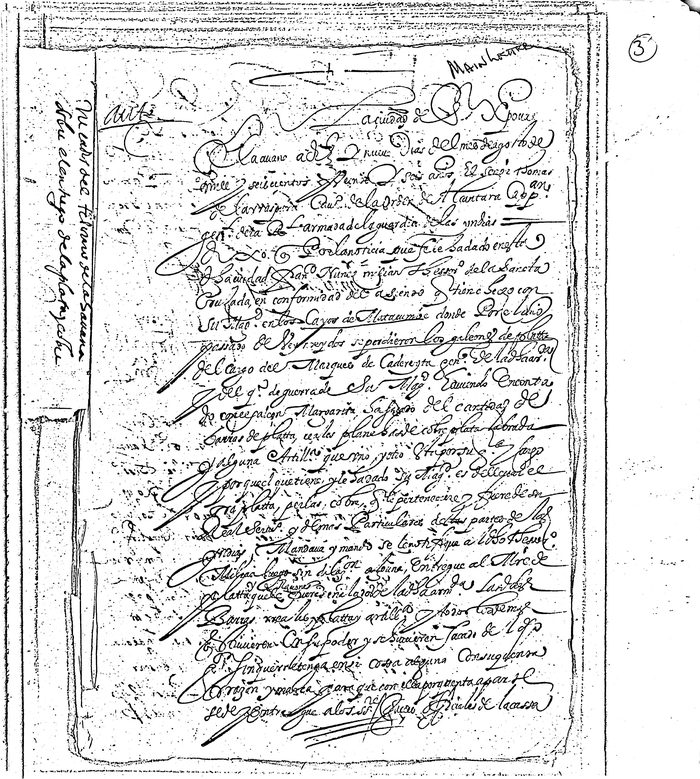
More than 100,000 pages of the Haskins archive are digitized. We are transcribing and translating them, page by page, and publishing each one with the scan, the original text, an English translation, and Haskins’ own notes. The first: Havana, 29 August 1626, the order that the silver pulled from the galleon Margarita be surrendered to the Crown.
The Dispatch
Field updates from the expeditions, the archive, and the museum build. No spam, no selling your data, unsubscribe anytime.
Protect the Record
Paper is as fragile as any wreck
Preserving an archive takes climate, care, and cataloging. Your support keeps the record safe and open.